Looking back, I understand that my well-being was shaped long before I learned the language for it. It grew out of the way I was loved, seen, respected, and allowed to take up space. I was raised in a household where being a woman was never something to manage or minimise.
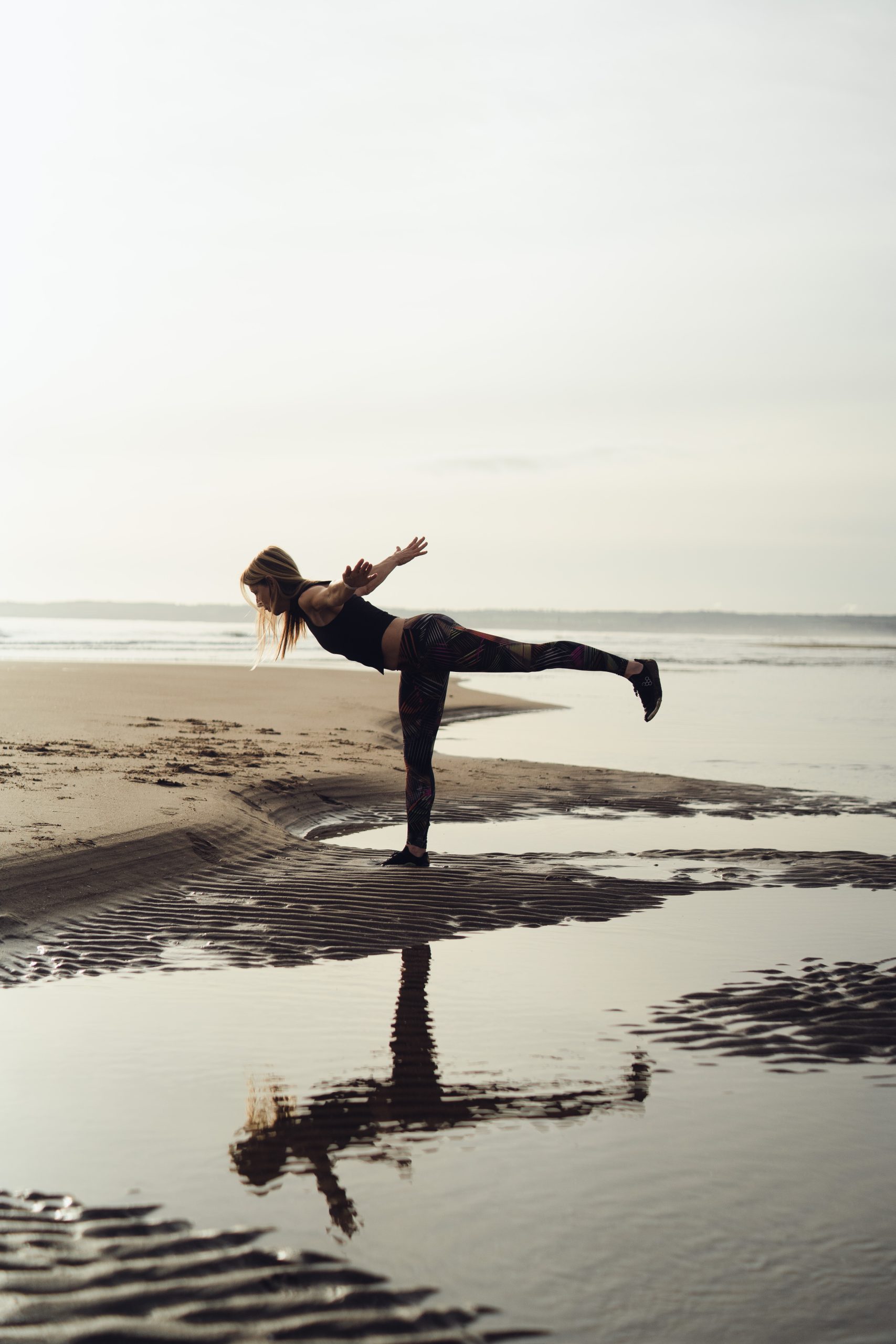
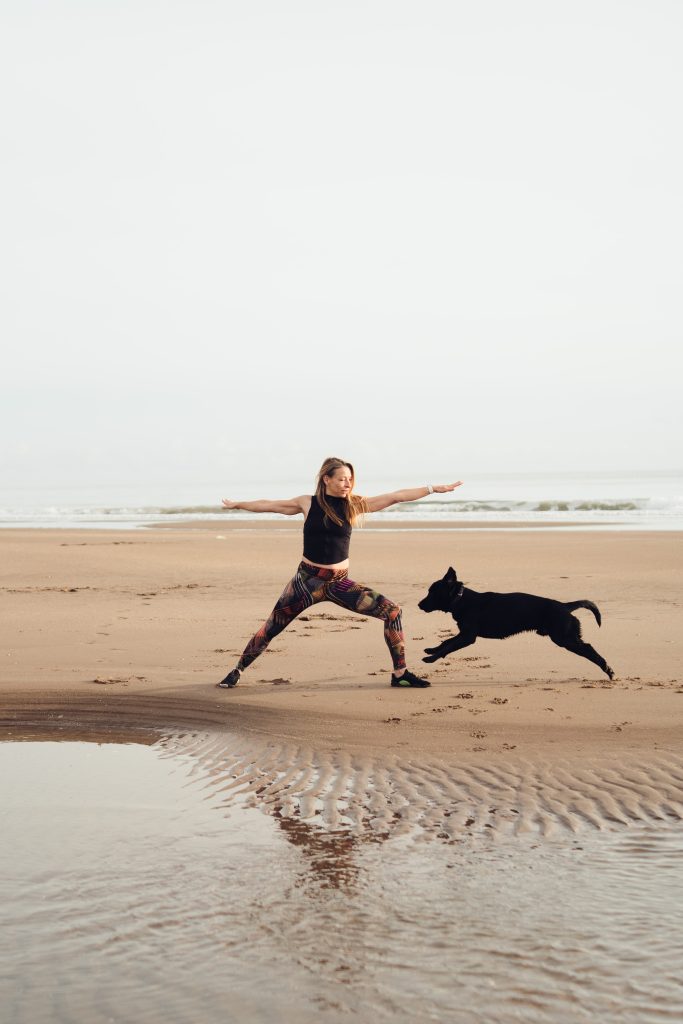
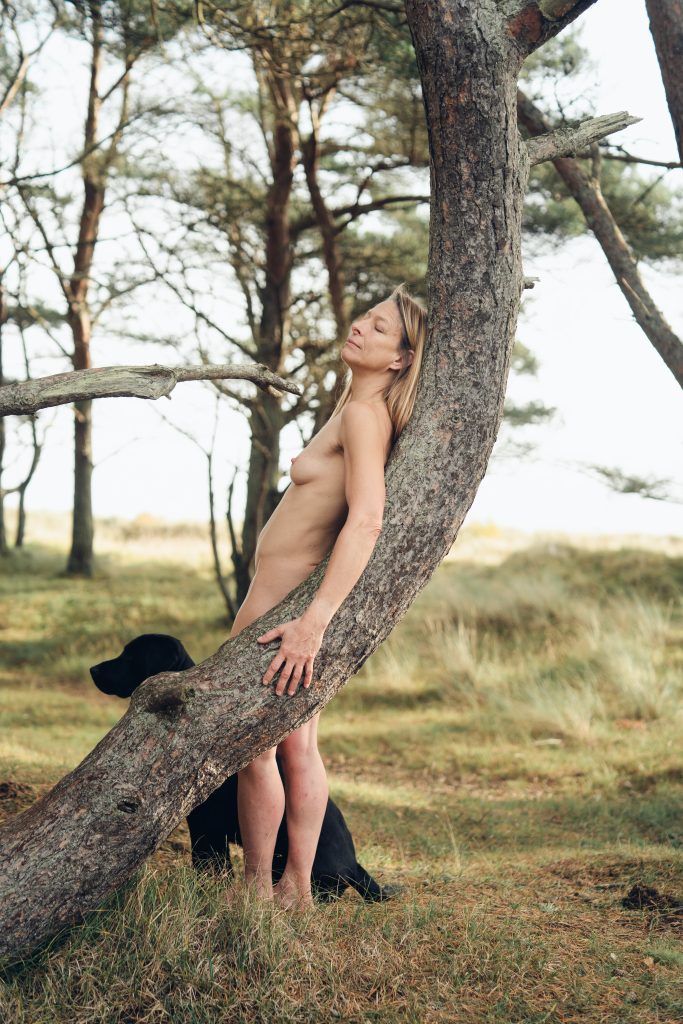
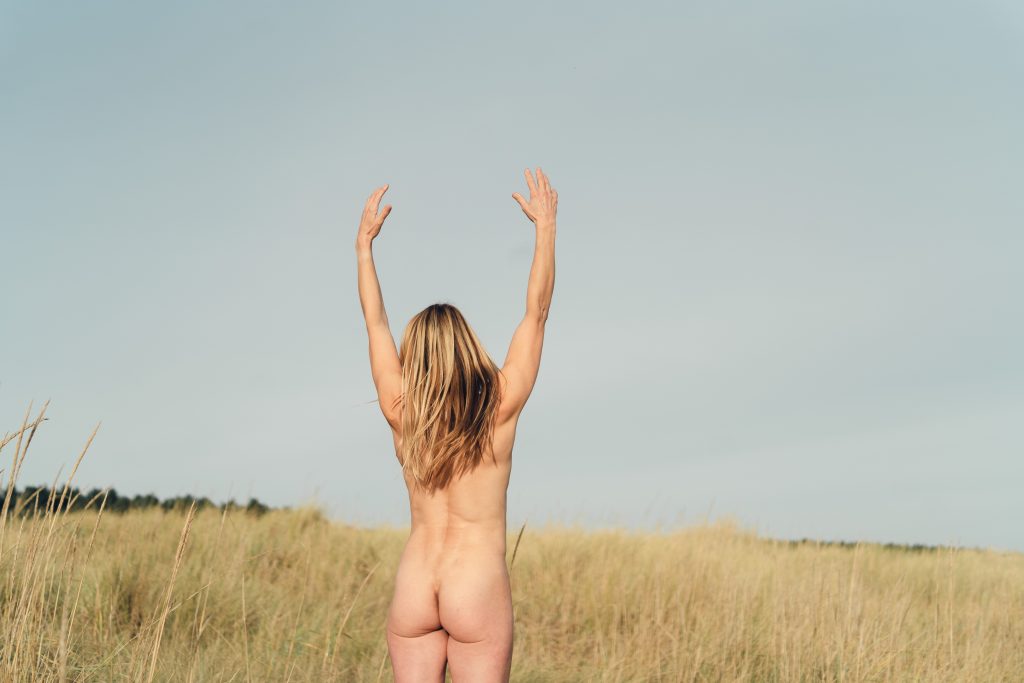
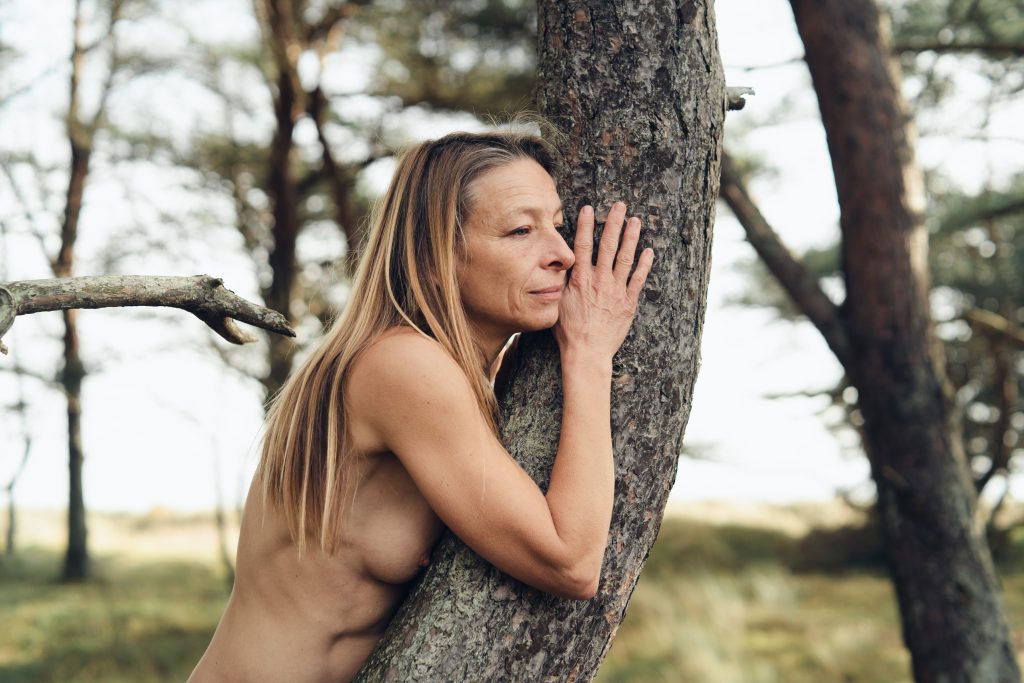
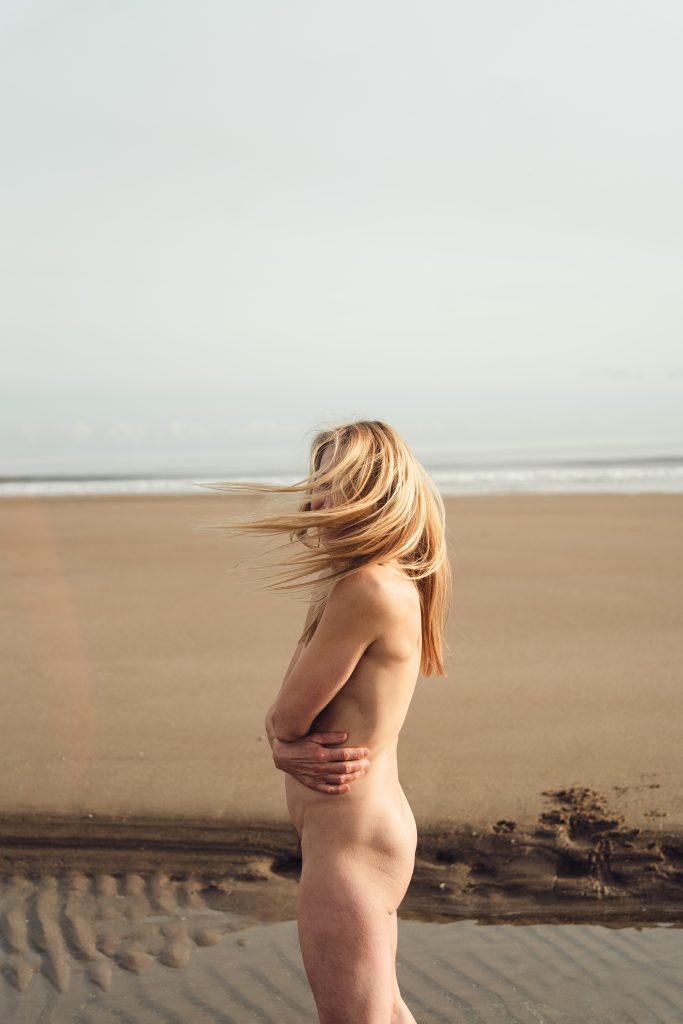
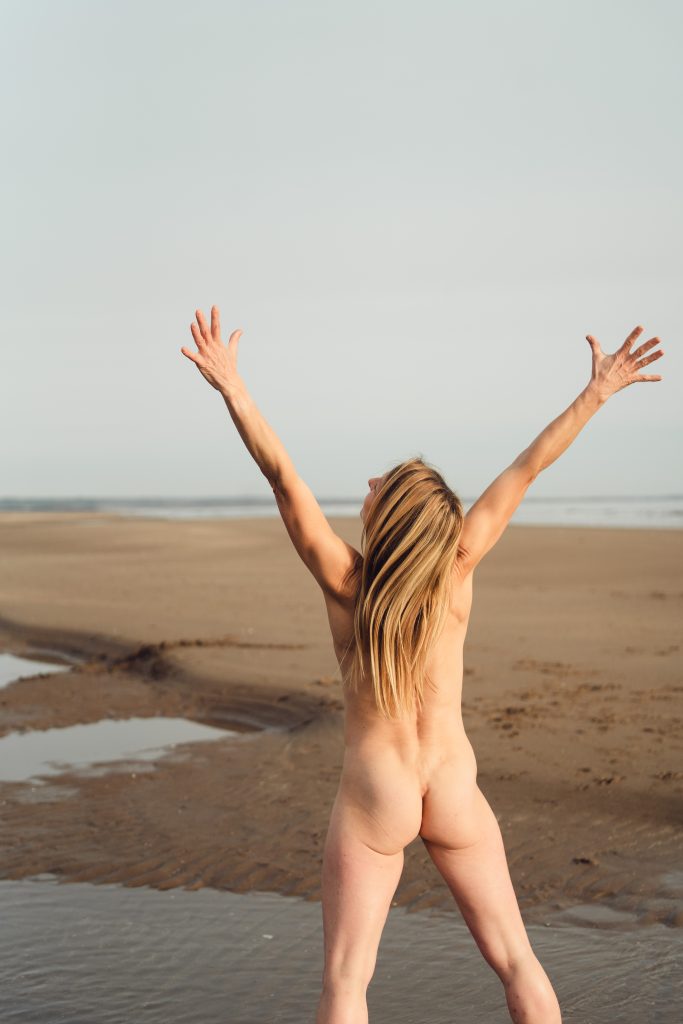
Yoga at Tentntsmuir beach, Fife, Scotland image by Cecilia Volpy @ceciliaavolpi_ph
Even before I was born, my father modelled that respect. When my mother was pregnant with me, at a time when pregnant bodies were quietly pushed out of public view, he walked beside her without discomfort or apology, but with pride. He would go out for meals in restaurants with my mum and a bunch of her pregnant friends cherishing the fact they were growing new life within themselves. That early visibility mattered. It taught me that a woman’s body is not a problem to solve, but a life to be honoured.
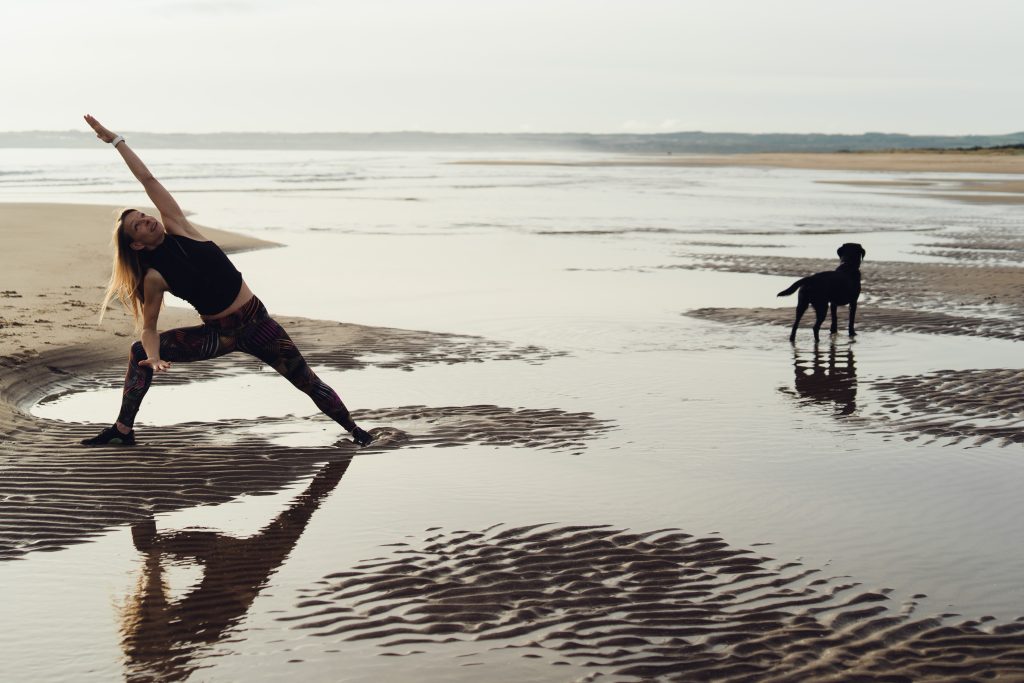
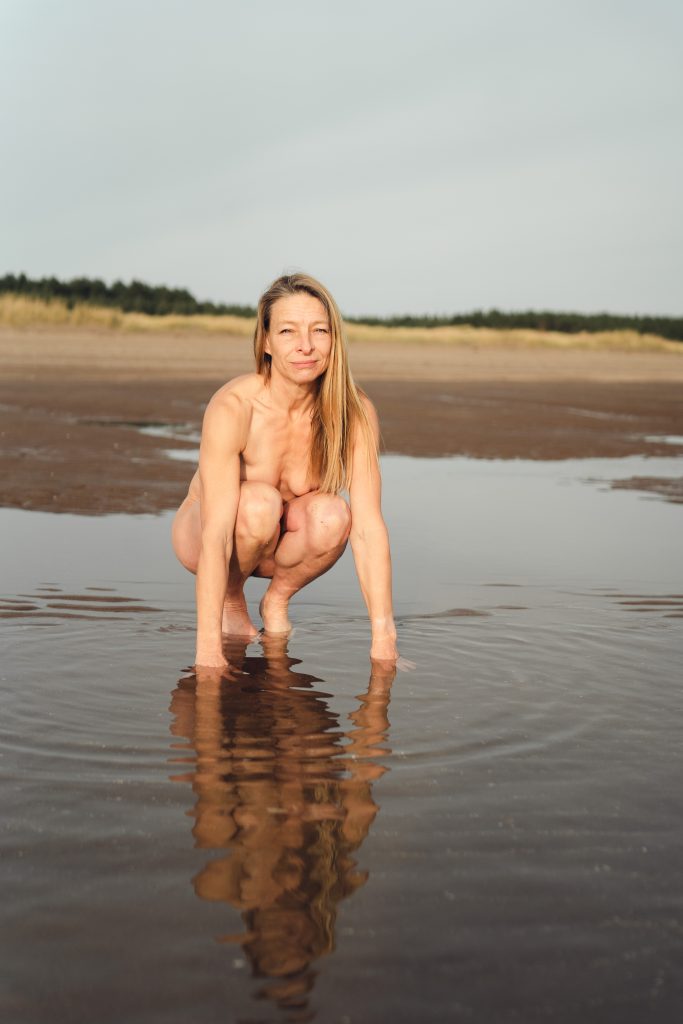
Tentsmuir beach, Fife Cecilia Volpy @ceciliaavolpi_ph
When I arrived, my parents made a conscious choice to share care. They both worked half-days so I could grow up with them equally present. My mother, who is still alive, offered me unconditional love which resulted in emotional steadiness and provided a feeling of confidence.
My father loved me with an equal intensity and supported my physical confidence and autonomy. He taught me to wrestle, to box, to play football—not to harden me, but to help me trust my body. He never framed strength as masculine or softness as feminine. He never drew borders around what I could do or be. Through him, I learned that confidence grows when girls are allowed to move freely, take risks, and build strength on their own terms.
He encouraged me to utilise my body in every way possible, downhill sledging, running, cycling, kicking balls, climbing robes and fully testing my strength. I love my body for what it allows me to do.
Growing up this way gave me a deep sense of balance. I learned that well-being is both emotional and physical, both gentleness and power. I learned that focus, care, and self-belief are acts of self-respect. And I carried with me a quiet certainty: that I could choose my own path, honour my body and mind, spreading my wings and live without shrinking. That belief remains my anchor.
That grounding followed me into adulthood, and I was fortunate to find it again in love. My late boyfriend, Tim Snoeks, met me in exactly the same way. He never tried to shape me, soften me, or improve me into something more acceptable, more palatable. He let me be who I was—fully, freely, honestly and often imperfectly. He respected me in all the ways I existed: in my strength and my uncertainty, my joy and my flaws.
He simply loved me!
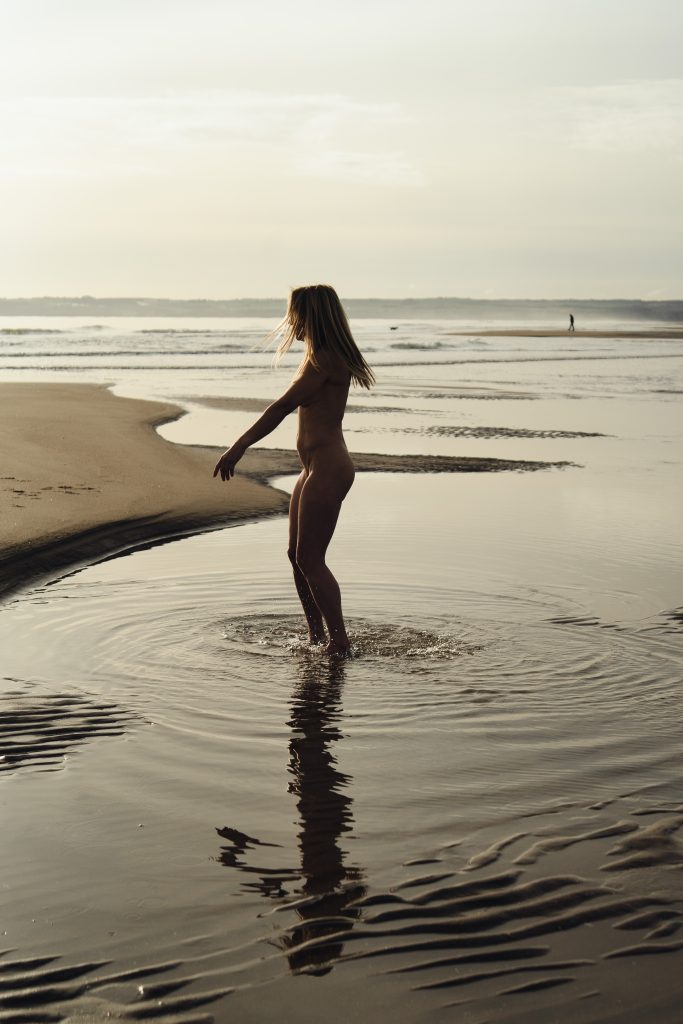
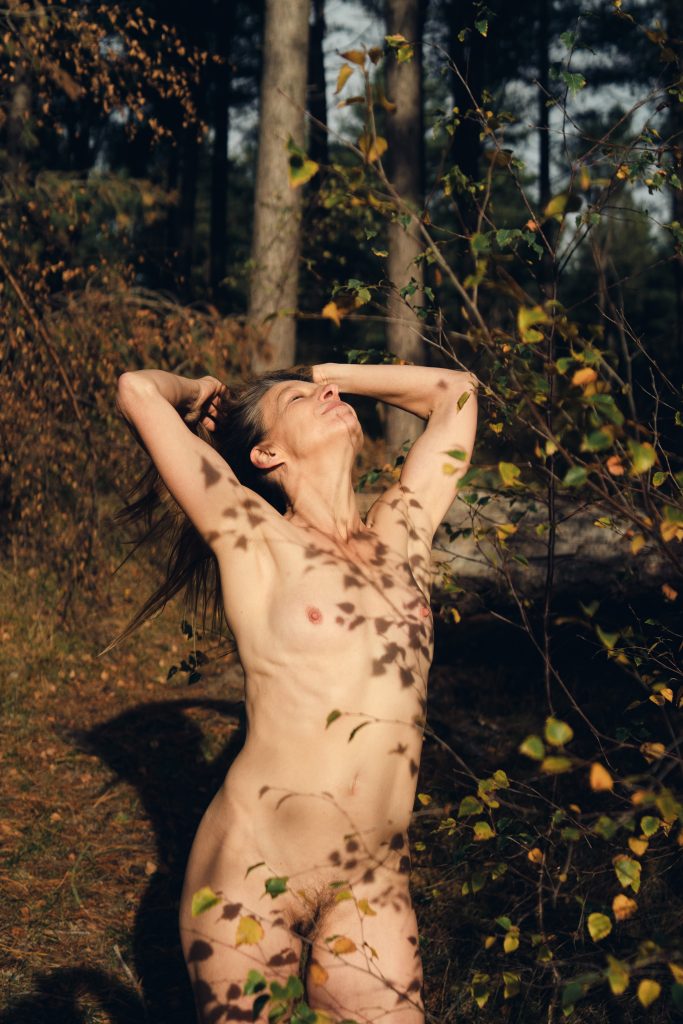
Image by Tim Snoeks
With Tim, I learned that well-being in a relationship means being able to be yourself fully. It means not having to perform or explain yourself into worthiness. For eighteen years, I was allowed to grow, change, stumble, and rise again, without ever losing his regard. That kind of love is rare, and it is sustaining.
Spending eighteen years with him has been one of the greatest gifts of my life. It affirmed everything I had been taught as a child—that love should expand you, not contain you; that respect is not conditional; and that being fully yourself is not only allowed, but cherished. That experience continues to live in me, is shaping how I understand love, strength, and my own well-being.
Because of all this, I hold a clear and powerful belief. Women must reclaim their bodies not as objects to be judged, corrected, or disciplined, but as sources of authority. A woman’s body is not a shape to be assessed—it is a force. It carries memory, labour, pleasure, endurance, and deep knowing. Whatever form it takes is enough. What matters is not how it appears, but what it allows us to do: to create, to resist, to love, to lead, to survive, and to choose ourselves again and again. When women honour their bodies in this way, they reclaim power that was never meant to be taken from them. From that place, a woman does not ask for permission—she moves. Where visibility is not vanity, and strength is not something to excuse.
And yet, this truth does not belong to women alone.
It is equally true for men—and in many ways, it is even more urgent. Men are still taught to override their bodies rather than listen to them. To ignore pain. To outwork exhaustion. To disconnect from vulnerability. Too often, the cost of that disconnection is early illness, early death, and lives lived at a distance from the self.
I want a world where women and men learn to stand beside their bodies rather than against them. To celebrate them. To respect them. To allow body and mind to move in rhythm. To be visible without apology. The shape of a body is never the story. The story is what it carries, what it endures, what it makes possible.
When we honour our bodies for what they can do—not how they appear—we return them to their rightful place: not as objects of judgement, but as partners in well-being, resilience, and freedom. And from that place, all of us—women and men alike—are finally allowed to become.